Who is this service for
For adults with eating or drinking difficulty after a medical or neurological condition, or with recurrent coughing or choking.
Assessment and rehabilitation for swallowing difficulties through an individual plan coordinated with the medical team.
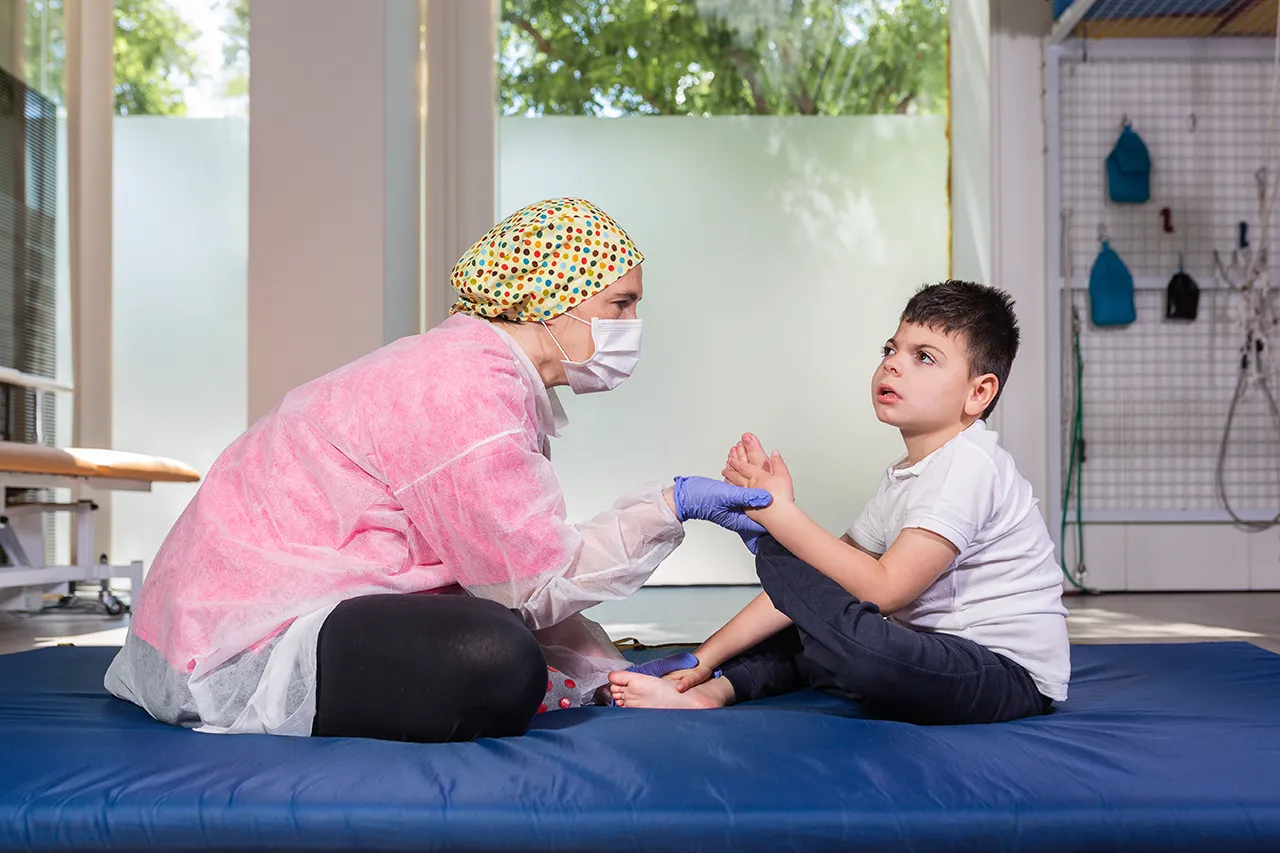 Careful assessment, measurable goals
Assessment focuses on swallowing safety, efficiency and health history; texture changes or exercises are not provided without individual assessment.

Priorities differ from person to person, so assessment is connected to the situations that genuinely affect communication, learning, and daily life.
For adults with eating or drinking difficulty after a medical or neurological condition, or with recurrent coughing or choking.
Recommendations follow individual assessment and may require further investigation coordinated with the medical team.
Families receive specific guidance on safety, observation and signs that require medical help.
From the first assessment to support at home, everyone knows what we are working on and why.
The pathway begins with an interview to understand the history and the main concern, then the specialist uses tools and activities suited to age and condition. Results are explained in plain language and linked to their impact on daily life.
We define functional, measurable goals, session frequency and progress review points. The plan changes when priorities change or skills are gained.
Parents or communication partners receive short, applicable strategies for the daily routine, because generalising outside the session is essential to success.
This information is educational and does not replace an individual assessment. The specialist determines whether the service is suitable after reviewing the case.