Autism Spectrum Disorder
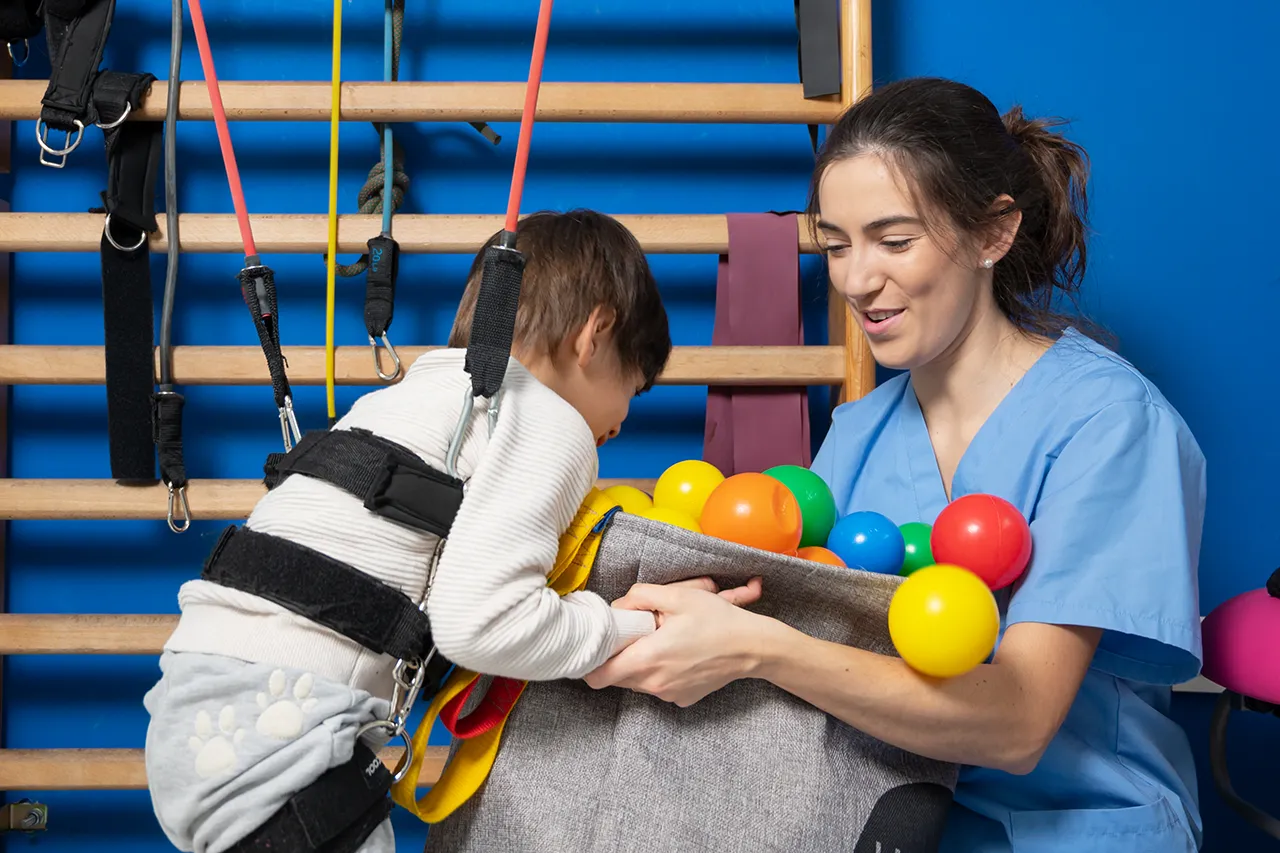
A developmental condition that may affect communication, social interaction, flexibility and patterns of interest in different ways.
Read about this conditionReference information to help you understand terminology and what may appear in daily life—without diagnosing online.
 Clear information for families
A sign or difficulty does not establish a diagnosis. Condition pages are educational and only connect families with services they may explore.
Information about conditions that may affect communication, learning, attention and independence.
A developmental condition that may affect communication, social interaction, flexibility and patterns of interest in different ways.
Read about this conditionA neurodevelopmental condition that may affect attention, activity level, impulse control and organisation.
Read about this conditionDevelopment that is slower than expected across more than one area such as communication, play, learning or daily skills.
Read about this conditionA condition that may affect learning, problem-solving and adaptive daily skills, with individual needs for every person.
Read about this conditionSyndromes such as Down syndrome may be associated with communication, learning and developmental needs, with different priorities for each child.
Read about this conditionUnderstanding, expression, speech sounds, fluency and social communication.

Words, sentences or language understanding developing more slowly than expected for age.
Read about this conditionPersistent difficulty understanding or using language that affects communication and learning; this website does not determine its cause.
Read about this conditionDifficulty producing or using speech sounds, making speech less clear than expected.
Read about this conditionA motor-speech disorder affecting the planning and sequencing of movements needed for speech.
Read about this conditionDifferences in the flow of speech that may include repetitions, prolongations or blocks, with or without tension.
Read about this conditionAn ongoing change in voice quality, pitch or the effort needed to produce voice that requires appropriate assessment.
Read about this conditionDifficulty using language and communication for the situation, communication partner and conversational turn-taking.
Read about this conditionSupport for reading, writing, mathematics, school readiness and executive skills.
Persistent, specific difficulty in academic skills such as reading, writing or mathematics.
Read about this conditionA specific learning difficulty that commonly affects accurate or fluent word reading and spelling.
Read about this conditionA term used for marked difficulty with handwriting, spelling or organising written expression.
Read about this conditionA specific learning difficulty that may affect number sense, operations and mathematical facts.
Read about this conditionDifficulty planning, starting, organising, remembering instructions and monitoring task completion.
Read about this conditionListening and language needs related to hearing loss, hearing aids and cochlear implants.
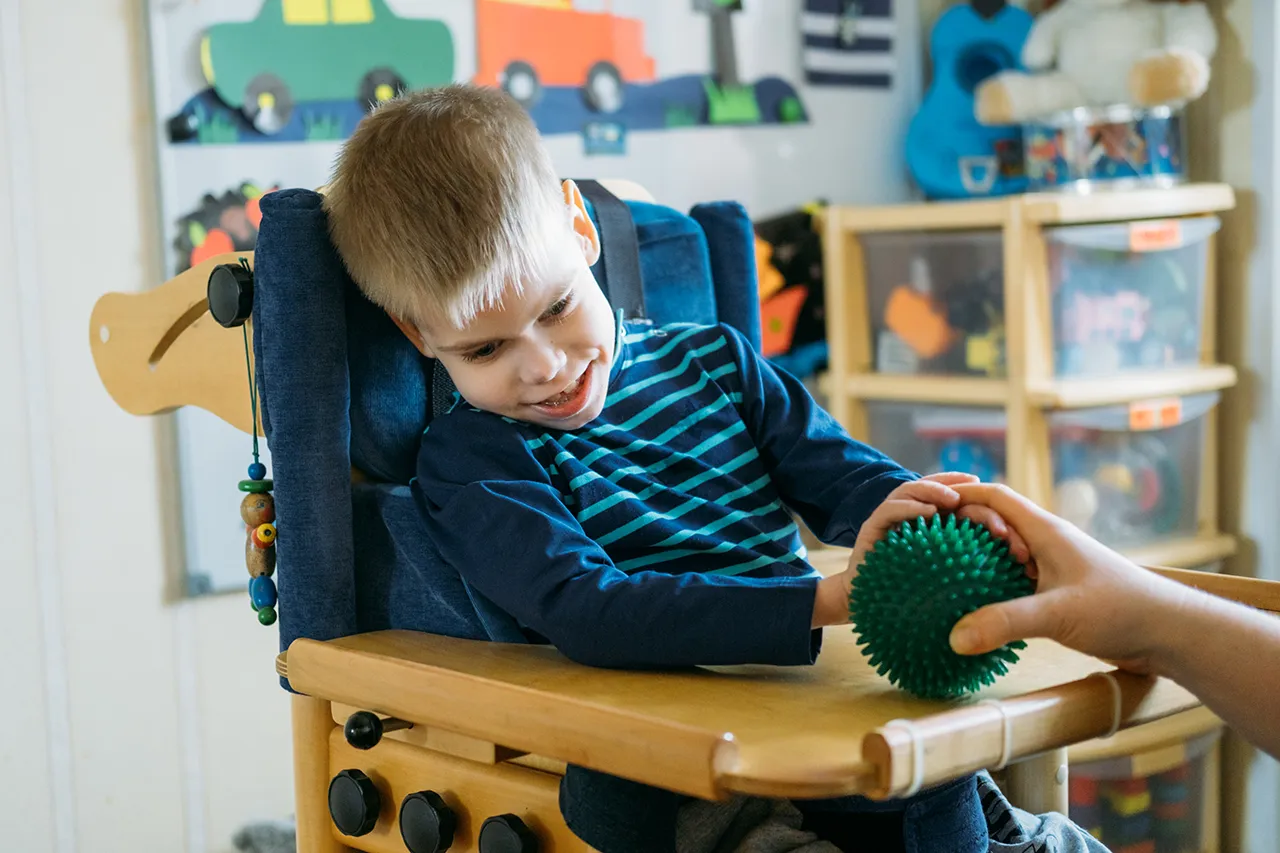
Reduced access to some sounds or speech in different types and degrees; it is diagnosed through audiology, not this website.
Read about this conditionRehabilitation helping a child use auditory access for listening, speech understanding and language development.
Read about this conditionProgressive support for listening, speech understanding and language before and after implantation, coordinated with medical and audiology teams.
Read about this conditionFunctional support for behaviour, regulation, flexibility, routines and independence.
Use the Parent Guide to choose what you notice and explore services that may be relevant, without choosing a diagnosis.